
Wok Foods assurance system
Trust is not
a promise.
It is evidence.
We structure supplier qualification, product validation, documentation and market-readiness checks around one objective: reduce avoidable risk before commercial commitment.
Supplier qualificationFood safety evidenceTraceabilityRegulatory mapping
ASSURANCE CONTROL SYSTEM ACTIVE
IDENTITY0% reviewed
DOCUMENTS0evidence fields
GATES0assurance stages
NOW CHECKINGSupplier legal identity

Clear commercial accountability.
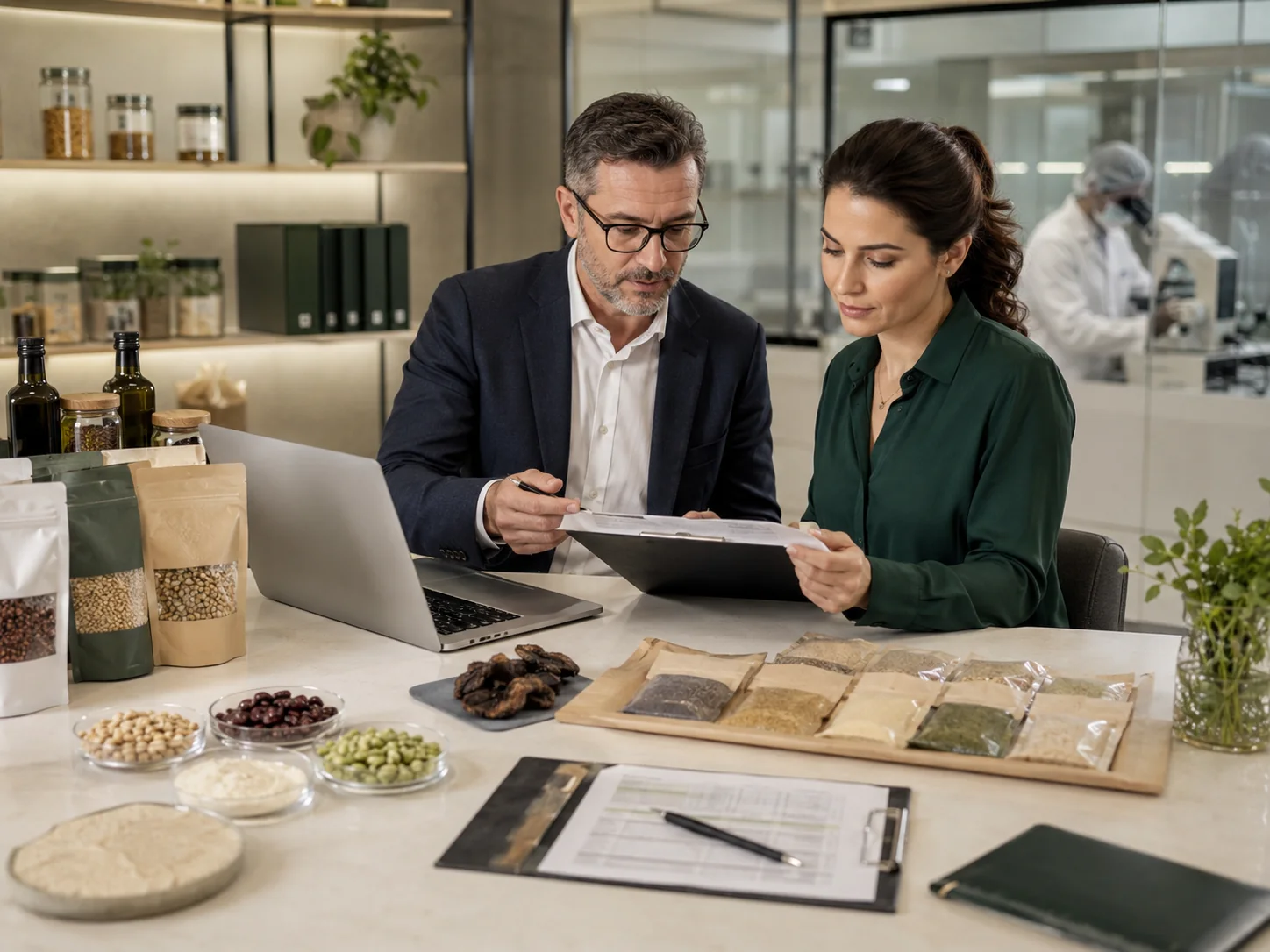


Commercial alignment
QUALIFY◆VERIFY◆VALIDATE◆DOCUMENT◆RELEASE◆MONITOR◆QUALIFY◆VERIFY◆VALIDATE◆DOCUMENT◆RELEASE◆MONITOR
Proof before promise
Confidence is built
before production starts.
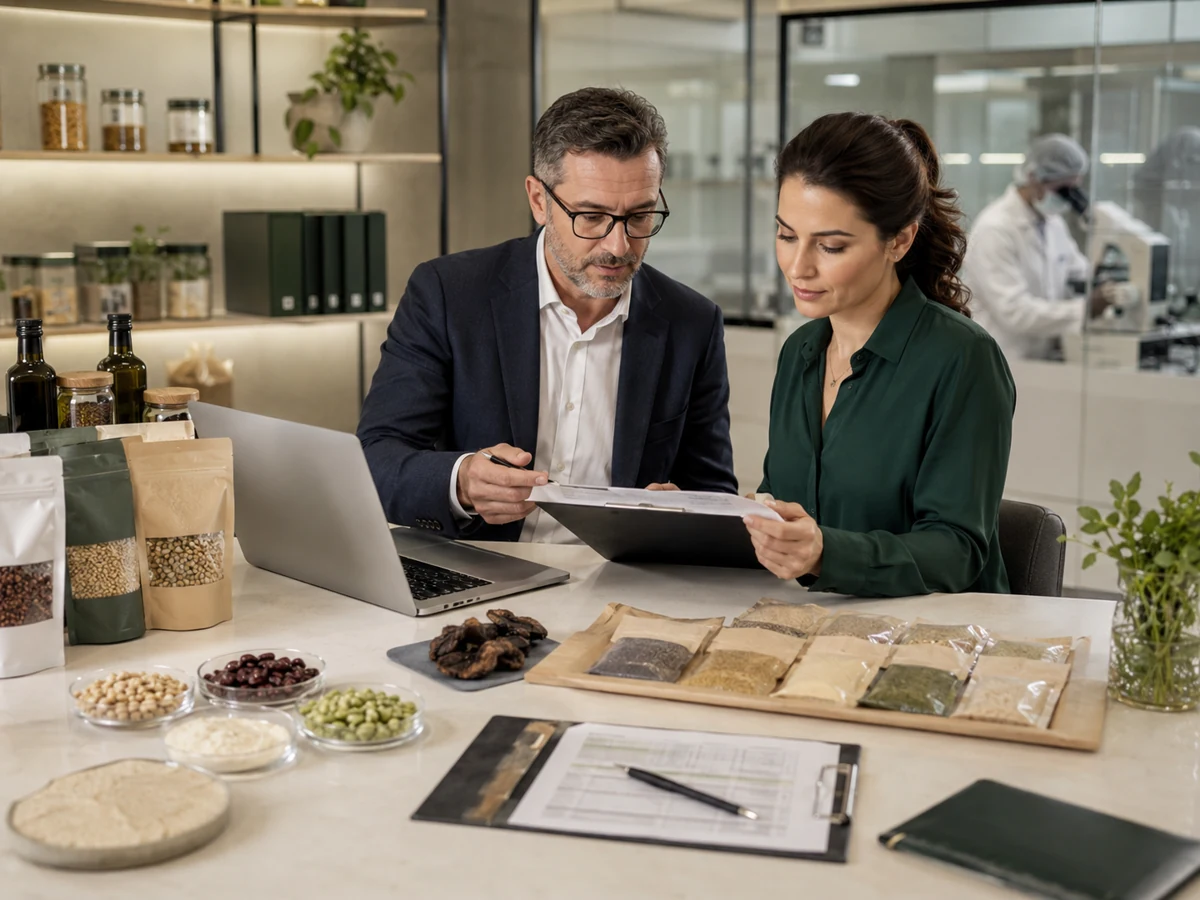
A certificate alone is not a complete supplier assessment. Product suitability also depends on scope, validity, process capability, specifications, testing, labeling, destination-market rules and the evidence available for the exact item being purchased.
Our role is to organize those questions into a documented commercial decision.
ASSURANCE PERFORMANCEPre-production readiness
87%
ScopeDocumentsLabelFactoryExport
The assurance system
Six gates.
One documented decision.
Select a gate to see the evidence normally reviewed. The exact scope changes by product, supplier and destination market.
ACTIVE GATE01 / 06
REVIEW MODECOUNTERPARTY VERIFICATION
Identity & ownership
Confirm the legal entity, ownership, manufacturing site and commercial authority behind the proposed transaction.
- Company registration and legal name
- Factory address and manufacturing role
- Beneficial ownership and authorized contacts
- Banking, sanctions and commercial screening
DOCUMENT COMPLETENESS92%
SCOPE MATCH84%
Illustrative interface only. Percentages do not represent a live supplier or a Wok Foods guarantee.
CONTROL PRINCIPLE
“The right question is not whether a document exists. It is whether that document covers the exact product, process, site and market.”
Traceability logic
Follow the product.
Follow the evidence.
Traceability is designed to connect ingredient, lot, production, finished product and shipment information so issues can be investigated and actions can be targeted.
International coordination
One assurance view.
Across markets and partners.
International food projects require more than a capable factory. They require alignment between supplier evidence, product specifications, destination-market rules, commercial responsibilities and shipment execution.
The evidence pack
Commercial confidence,
organized into files.
A project evidence pack can be assembled around the specific category, destination and customer requirements. Availability depends on the selected supplier and product.
Certification names shown are examples of evidence that may be reviewed. They are not claims that every Wok Foods partner holds every certification.
Destination-market gates
One product.
Different rulebooks.
Market readiness is assessed against the actual product, claims, ingredients, importer structure and destination. This is a project-screening function, not legal advice.
Traceability & labeling
Review of ingredient legality, labeling structure, allergen presentation, claims and traceability documentation.
One step back · one step forward
Importer & market fit
Review of responsible business information, labeling conventions, product status and importer documentation.
Market-specific assessment
Importer verification
Coordination around importer responsibilities, supplier evidence, allergens, labeling and FSVP-related requirements where applicable.
Risk-based supplier evidence
Registration & claims
Country-specific assessment of registrations, permitted ingredients, language, nutrition, certifications and claims.
Jurisdiction by jurisdiction
CHANGE CONTROLLOG 07
Ingredient specification revisedREVIEW
Artwork allergen statement checkedPASS
Packaging material evidence receivedFILED
Production sample compared to standardPASS
Shipment document set reconciledREADY
Control after approval
Approval is a point in time.
Control must continue.
Material changes to formula, supplier, process, packaging, certification scope or regulatory status may require renewed review. A controlled change trail helps protect the approved commercial position.
- 01Specification and artwork revision control
- 02Supplier and ingredient change notification
- 03Deviation, corrective action and release evidence
- 04Complaint, withdrawal and recall coordination
Reference frameworks
Built around recognized control principles.
Project requirements may draw on international food-safety schemes, Codex hygiene principles and destination-market importer obligations. The exact standards are confirmed per project.
Start with the right evidence
Build a product buyers
can evaluate with confidence.
Share the market, product category and assurance requirements. We will structure the first qualification questions around your brief.
Start a project